

Laboratory tests check a sample of your blood, urine, or body tissues. A technician or your doctor analyzes the test samples to see if your results fall within the normal range. The tests use a range because what is normal differs from person to person. Many factors affect test results.
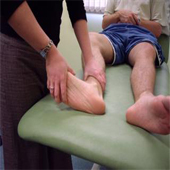
A neurological exam, also called a neuro exam, is an evaluation of a person's nervous system that can be performed in the healthcare provider's office. It may be performed with instruments, such as lights and reflex hammers, and usually does not cause any pain to the patient. The nervous system consists of the brain, the spinal cord, and the nerves from these areas. There are many aspects of this exam, including an assessment of motor and sensory skills, balance and coordination, mental status (the patient's level of awareness and interaction with the environment), reflexes, and functioning of the nerves.

A neurological evaluation, which consists of a number of simple and painless tests, is usually performed to diagnose peripheral neuropathy. Depending on your symptoms and outcome of the neurological evaluation, you may encounter other tests that can determine what type of peripheral neuropathy you have.

Diagnostic tests measure students' understanding of a subject area or skills base. Teachers typically administer diagnostics for reading and math skills, using the results to provide remedial instruction or place students within appropriately leveled classes. Many content teachers, though, give formative assessments to gauge what knowledge students bring to class. Some schools also diagnose concepts as a whole, aiming to reveal commonly held misconceptions in specific subjects.
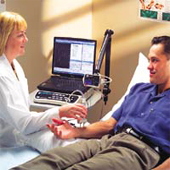
An electromyogram (EMG) is a test that measures the electrical activity of a muscle. It detects any signs of blocking or slowing down of responses to nerve stimulation. The test provides information about the muscle itself and shows how well it receives stimulation from the nerve. A nerve conduction velocity (NCV) test is often done at the same time as an EMG.
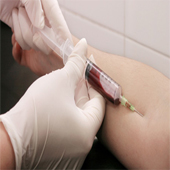
CBC test is a basic blood test which helps to Screen for various conditions such as anemias,infections, inflammations, bleeding disorders, allergies and blood cancers and Diagnose above mentioned conditions when combined with other blood tests. Monitor the disease status or effectiveness of treatment. Any increase or decrease in the test results may indicate that you have an underlying medical condition that requires further evaluation.